

LGBTQ+ travel in Morocco: honest information before you go
Many LGBTQ+ travelers visit Morocco every year and come home delighted. But the legal framework is very different from Europe or North America, and it is better to understand it before booking. This guide sets out the law as it stands, the real risks for a tourist and the precautions that make for a relaxed trip.
Same-sex relations are illegal in Morocco. Article 489 of the Penal Code punishes them with 6 months to 3 years in prison and a fine. In practice, foreign tourists are rarely prosecuted, and same-sex couples travel in Morocco without trouble, especially in international hotels in Marrakech, Agadir or Casablanca. The risks concentrate in three situations: public displays of affection, relationships with a Moroccan partner (prosecutions mainly target Moroccans, and foreigners have been convicted in that context) and dating apps, which are used for scams, blackmail and reporting people to police. With discretion in public, Morocco remains an accessible destination.
What the law says
Two articles of the Moroccan Penal Code directly affect travelers:
| Article | What it says | What it means for a tourist |
|---|---|---|
| Article 489 | Same-sex sexual relations: 6 months to 3 years in prison and a fine | Basis for prosecutions; rarely applied to foreigners together |
| Article 490 | Sexual relations outside marriage | Explains why a hotel may refuse an unmarried couple where one partner is Moroccan |
There is no recognition of same-sex couples, no anti-discrimination protection and no public LGBTQ+ events. Prosecutions mainly target Moroccan citizens, often on other grounds ("debauchery", indecency), but foreigners have been arrested and convicted, usually when they were with a Moroccan partner.
In practice: what to expect
- At the hotel: two men or two women sharing a double room in an international hotel or a foreign-run riad rarely raises questions. If that worries you, book a twin room.
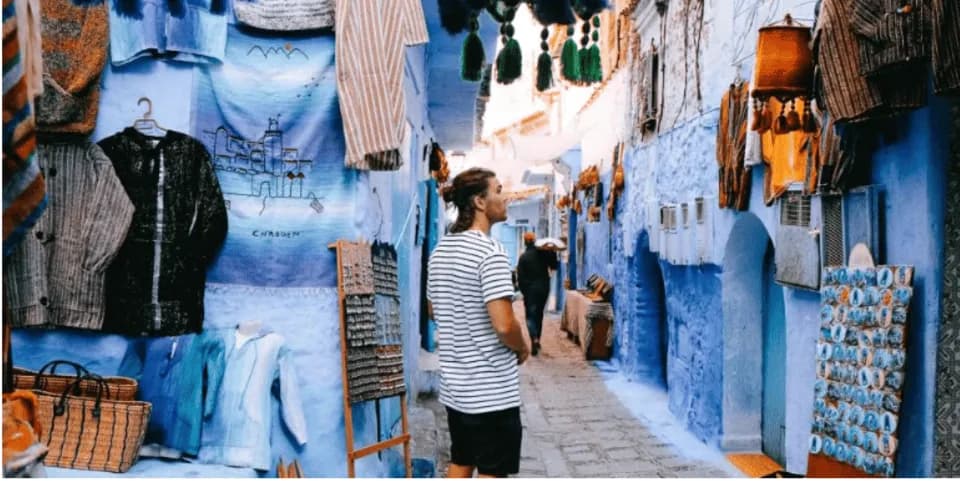
- On the street: it is common to see Moroccan men holding hands or walking arm in arm as friends. That does not mean society is open: a gesture read as romantic can draw comments or even intervention.
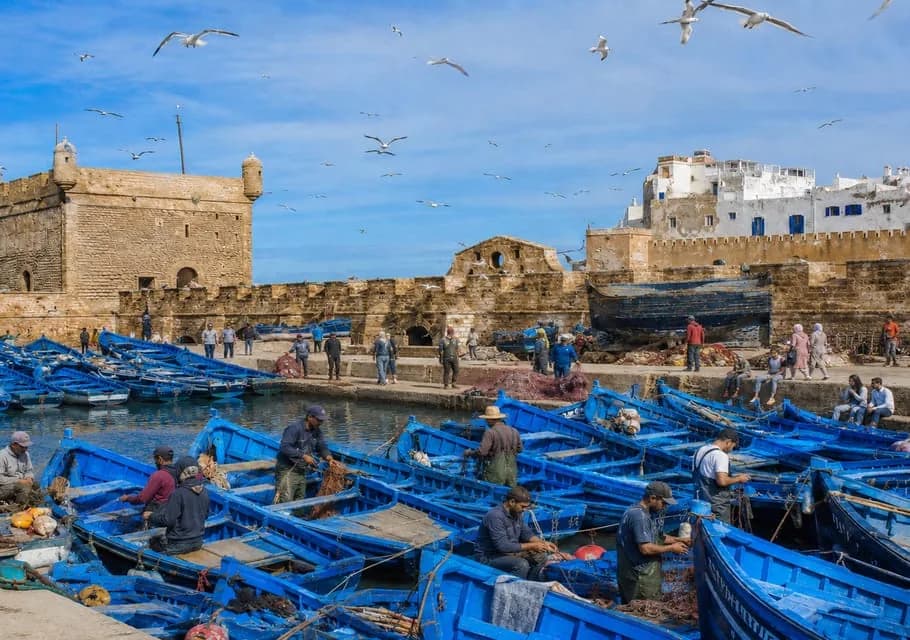
- By city: Marrakech, Agadir, Casablanca, Rabat, Tangier and Essaouira, which are used to foreign visitors, are more relaxed than small towns and rural areas.
- Trans and non-binary travelers: travel with up-to-date ID and bear in mind that checks (airport, hotel) can be intrusive.
Our advice for a relaxed trip
- Choose your accommodation carefully: international hotels, resorts or well-reviewed riads whose reviews mention a welcoming attitude. Our guide on riad or hotel in Morocco helps you decide.
- Stay low-key in public: no kissing or affectionate gestures in the street, just as Moroccan straight couples refrain from them. This is the most useful rule.
- Think about your Moroccan partner if you have one: they risk far more than you. Don't post photos of them or bring them back to your hotel.
- Keep useful contacts: your embassy or consulate, the police (19) and your insurer. See our Morocco safety guide.
- Travel insured: good travel insurance with legal assistance also covers this kind of situation.
- Consider small-group or private tours: they simplify logistics and mean you don't depend on strangers to get around.
See the best-rated hotels in Marrakech· Booking.comFree cancellation on many properties · the best-rated places fill up firstNo prepayment needed on many offers: lock in your room now
Compare travel insurance for Morocco· EKTA
Experiences that work very well
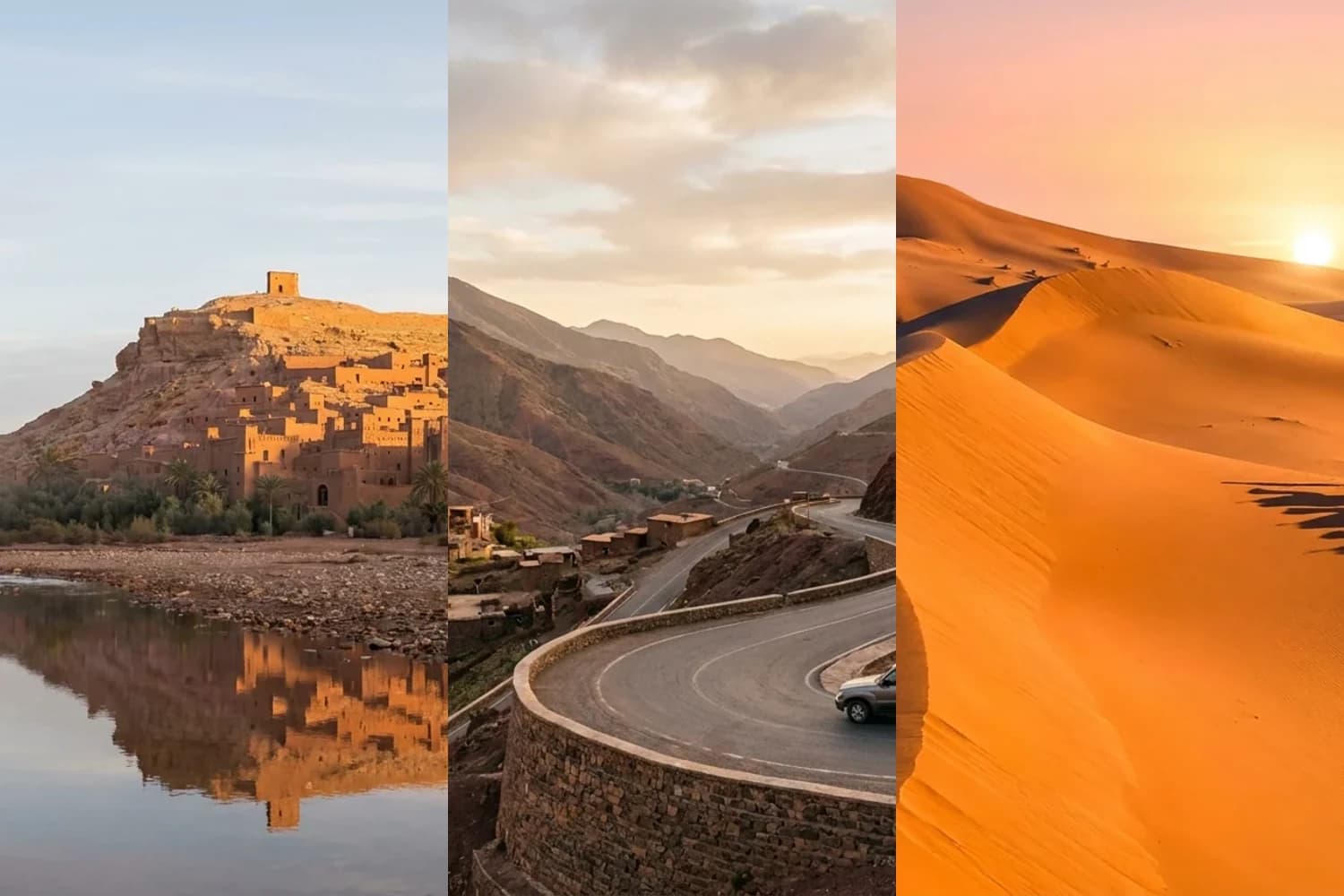
With these rules in mind, Morocco is a joy: medina riads, the Merzouga desert, the Atlas, the food, private hammams in hotels and spas, and the Atlantic coast at Essaouira or Agadir. For cultural codes more broadly (dress, greetings, Ramadan), read our guide to etiquette and customs in Morocco.
Plan your days with the best activities in Morocco, many of which come in a private version.